Introduction
The US admissions system isn’t fair but it is strategic.
Choosing when to apply is nearly as important as how strong your application is. Should you go Early Decision (ED) to boost your odds? Or play it safe with Early Action (EA) or Regular Decision (RD)?
For international students especially those applying to the UK, Singapore, or Australia understanding these timelines is critical.
At Quintessential, we guide students through every decision point in their US application journey. Here’s our deep dive into what EA, ED, and RD really mean and how to make game-changing strategic decisions with them.
Early Decision (ED): The High-Risk, High-Reward Option
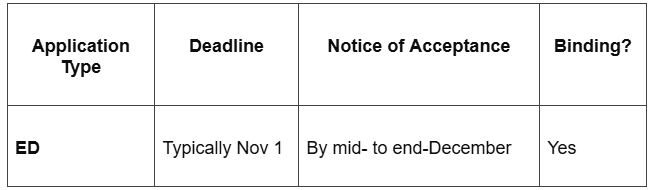
What it is:
A binding commitment. If accepted, you must enroll and withdraw all other applications.
Best for:
- Students with a clear #1 choice
- Strong applicants targeting top-tier privates (Ivies, UChicago, Duke, etc.)
- Families who don’t need to compare financial aid offers
Risks:
- You only get one ED application
- Locks you out of comparing options or offers
- Often less financial aid unless the school is need-blind
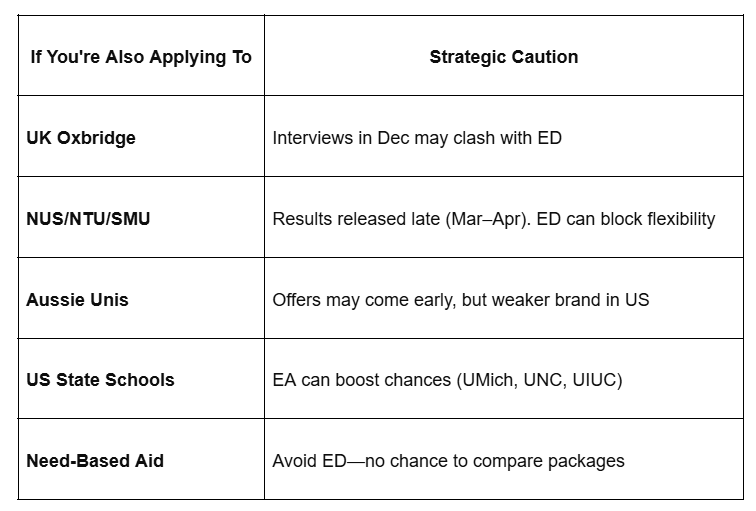
- UK Oxbridge interviews clash with ED
- Not ideal for late bloomers banking on Year 6 predicted boosts
Expert Strategy:
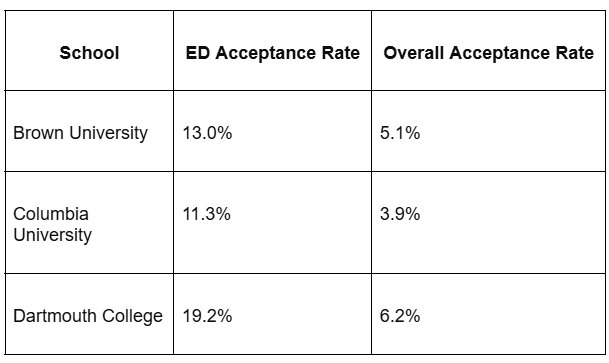
If you’re aiming for highly selective schools, ED can triple your chances but only if your application is already near-final by October.
Early Action (EA): Apply Early, Decide Later
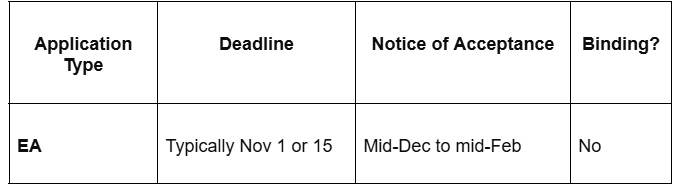
What it is:
You apply early and receive a decision early, but you don’t have to commit.
Best for:
- High-achieving students ready by October
- Students applying across multiple countries (US, UK, SG)
- Applicants wanting early feedback without pressure
Watch out for:
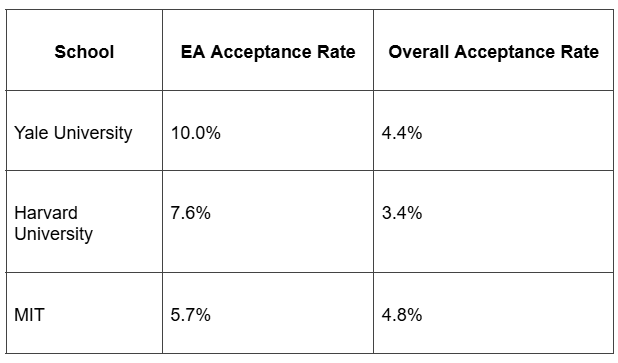
- Restricted EA (Harvard, Yale, Stanford, etc.): You can’t apply to other private early rounds
- Less time to improve GPA or retake tests
- Application and portfolio must be complete by October
Why it works:
Top schools fill up to 30–50% of their class during early rounds. A strong EA application can meaningfully improve your odds.
Regular Decision (RD): More Time, More Competition
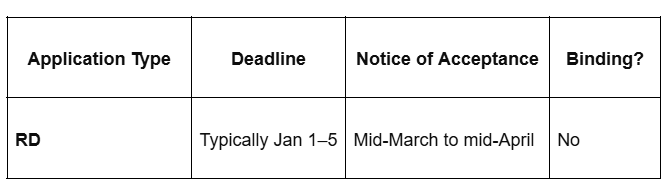
What it is:
The default application round. More time to prepare, but much more competition.
Best for:
- Students who need more time for testing, essays, or portfolio updates
- Applicants managing UK or Singapore timelines
- Students seeking to compare aid and scholarships
Downsides:
- Full applicant pool = tougher odds
- Some schools reserve fewer spots for RD
- Deferred EA/ED students re-enter here = even more crowding
Timeline Tip:
RD gives you a final window to:
- Add SAT/ACT scores from Nov/Dec
- Update predicted grades or awards
- Perfect essays for competitive edge
International Students: Strategic Considerations
If you’re based in Singapore, Malaysia, or Hong Kong, you’re likely juggling UCAS, Singapore U admissions, and the US system. Here’s what to watch for:
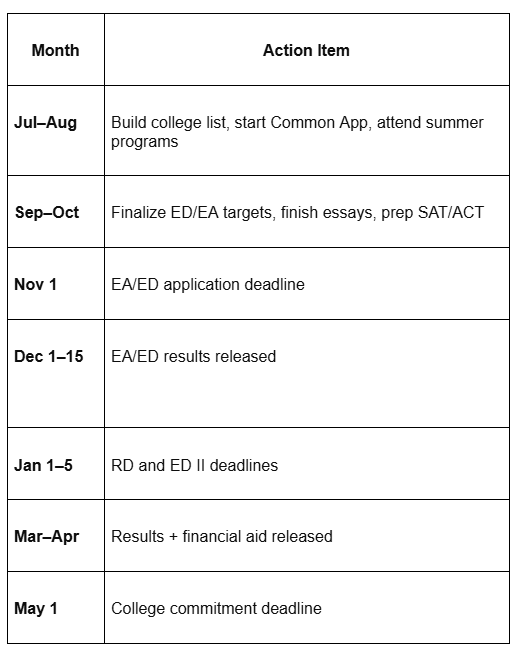
Application Planning Timeline
3-Lens Framework to Choose Your Application Round
1. Profile Readiness
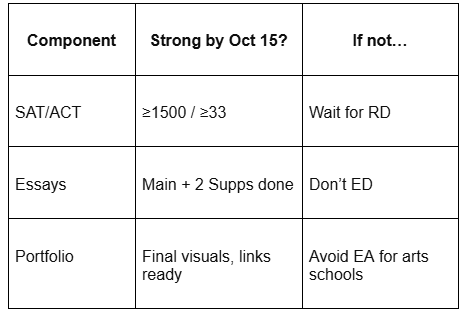
2. Goal-Outcome Fit
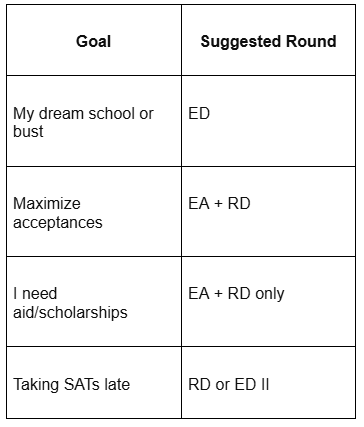
3. Systems Coordination
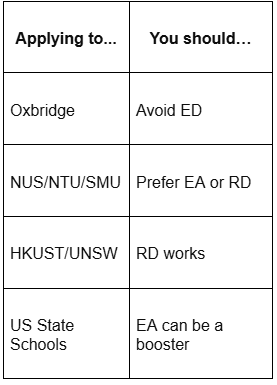
Admissions Data That Changes How You Think
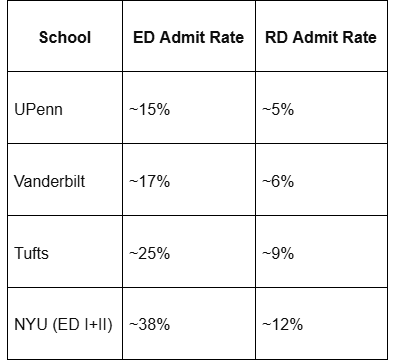
Insight:
If you’re a borderline admit, ED might be your only realistic shot—but only if you’re ready.
ED II: The Hidden Gem
Most students ignore ED II—a second chance to apply early and binding in January.
When ED II works:
- You were rejected or deferred from ED I
- You improved grades, scores, or essays by December
- You’ve clarified your goals
Top schools offering ED II:
NYU, Emory, Vanderbilt, Tufts, Brandeis, Case Western
Final Thoughts: Don’t Just Chase Deadlines—Craft a Strategy
Too many students:
- Apply ED emotionally
- Apply EA unprepared
- Apply RD too late to stand out
Your application strategy must align with:
- Academic performance
- Financial flexibility
- Country-specific systems
- Portfolio strength and spike factor
Want Expert Help?
At Quintessential, we help students:
- Select the optimal rounds for their profile and goals
- Build standout applications for ED/EA/RD
- Coordinate timelines across the US, UK, and Singapore
- Prepare essays, portfolios, and interview strategy
At Quintessential, we don’t just help you apply—we help you win. Our approach is grounded in data, insight, and full-system planning, designed for international students aiming to succeed across multiple countries.